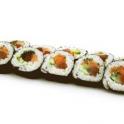


One food that a large number of people choose to eat when they have a ‘cheat’ day on their diet is sushi. The great thing about sushi is that while it is higher in carbohydrates, it’s also lower in fat and is still relatively healthy if you choose properly and keep your portion sizes moderate so it’s one that won’t really steer you too far in the wrong direction.
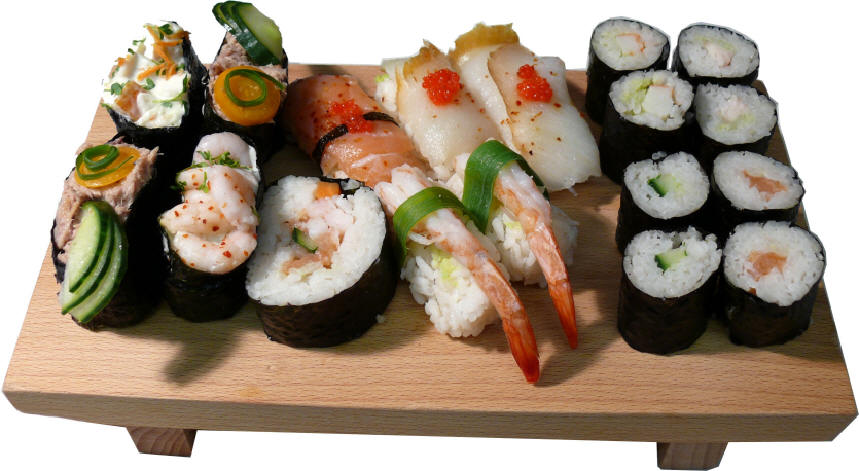
Since the main components of sushi are white (or brown) rice, seaweed, some type of fish, egg, or tofu filling, and usually mayonnaise, you’ll still be getting foods that are fairly natural and don’t have a lot of added sugars or fats to them.
Let’s take a closer look at sushi nutrition facts.

Sushi Nutrition Facts:
-
Alaskan Roll
-
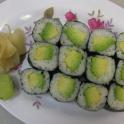
Avocado Roll
-
Big Tuna & Salmon Roll
-
Blue Crab Roll
-
Boston Roll
-
California Roll
-
California Soba Roll
-
Crunchy Dragon Roll
-
Crunchy Roll
-
Crystal Plum Roll
-
Cucumber Eel Roll
-
Dessert Sushi Roll
-
Double Eel & Avocado Roll
-
Double Seared Albacore Roll
-
Dragon Roll
-
Dueling Duets Roll
-
Dynamite Roll
-
Eel Roll
-
Dynamite Roll
-
Grilled Salmon Roll
-
Hawaiian Roll
-
Mango Tango Roll
-
Miso Roll
-
Ocean Crab Roll
-
Ocean Jewel Roll
-
Orange Roll
-
Orange Rock Roll
-
Oshinko Roll
-
Philadelphia Roll
-
Rainbow Roll
-
Red Chili Roll
-
Salmon & Tuna Roll
-
Salmon Salad Roll
-
Seoul Roll
-
Scorpion Roll
-
Shrimp Avocado Roll
-
Simple Salmon Roll
-
Spicy Salmon Roll
-
Spicy Scallop & Tuna Roll
-
Spicy Shrimp Roll
-
Spicy Tuna Roll
-
Spicy Vegan Roll
-
Spider Roll
-
Summer Roll
-
Sunset Strip Roll
-
Tempura Roll
-
Tofu Garden Roll
-
Triple Threat Shrimp Roll
-
Tropical Tempura Roll
-
Tuna Blueberry Roll
-
Tuna Cucumber Roll
-
Tokyo Roll
-
Vegetable Dragon Roll